

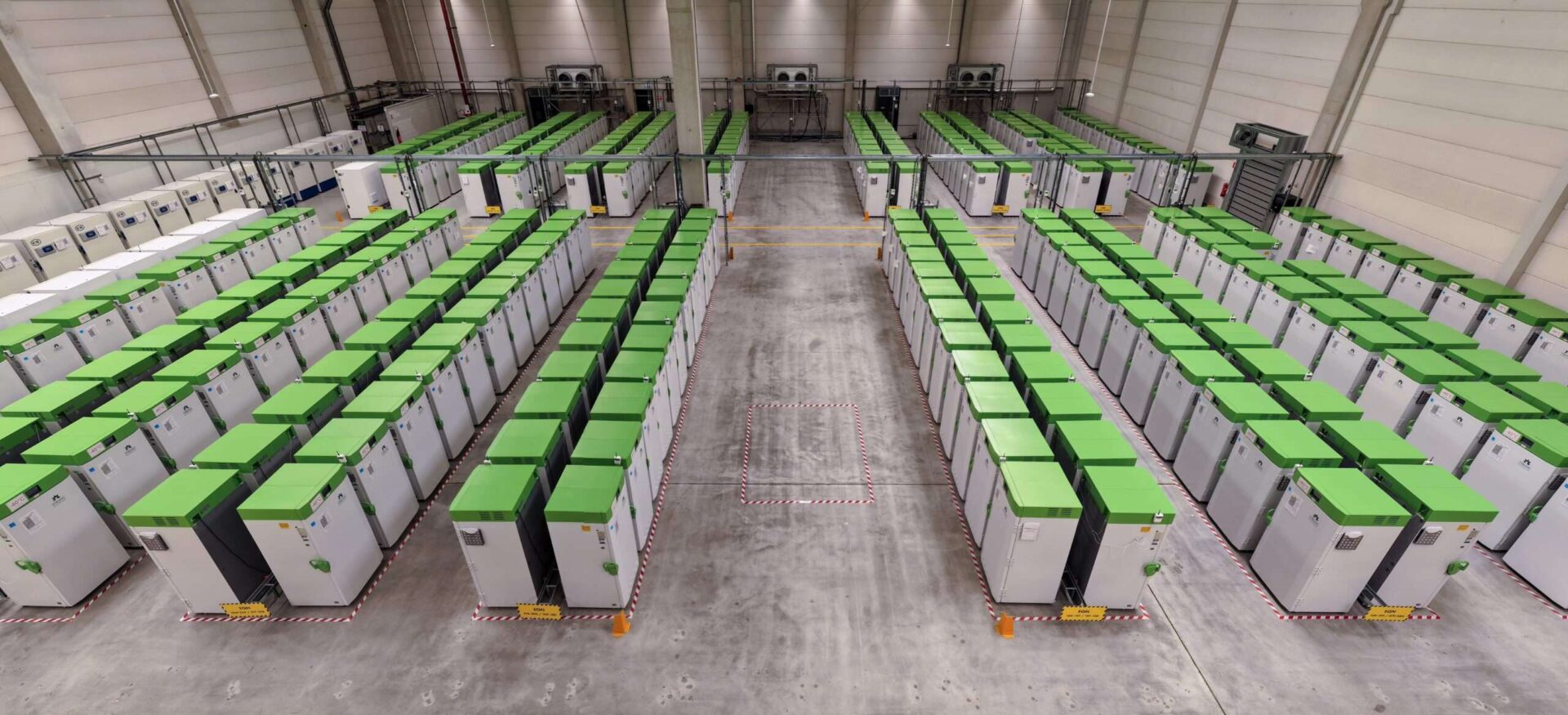
In life sciences, ultra-low temperature storage, or ULT storage, is ideal for storing biological samples for long-term preservation at extremely low temperatures. Typically, samples stored in ULT freezers are not those that are routinely or frequently used compared to short-term sample storage, which would be housed in refrigerated or frozen temperatures.
What are ULT Freezers Used For?
GMP ultra cold storage is predominantly used for preserving sensitive biological materials for long-term temperature stability. ULT freezers offer distinct advantages for those looking to prevent degradation and maintain the integrity of samples while meeting quality control and compliance requirements for extended periods. Common biological materials kept in ULT storage are biological samples or biospecimens, clinical trial and retain samples, tissue samples, vaccines, or biomolecules, such as DNA, RNA, proteins, and enzymes.
What is the Range of a ULT Freezer?
When sample storage below typical industrial freezer storage (-20°C to -40°C) is needed, but temperatures do not need to be so low as to completely halt all biological movement, such as in cryostorage, ULT freezers can be the optimal choice.
Often referred to as “negative 80 freezers” or “minus 80 freezers” as they are commonly used at -80°C, ULT storage can cover a wide range of temperatures with most equipment models operating between or covering the range of -70°C and -93°C. To manage the potential gap between freezer storage and ultra-low, some ULT freezers can reach temperatures as high as -40°C or even function as freezer storage up to -20°C. Newer models can even reach temperatures down to -100°C.
Beyond range, other significant factors of ULT storage temperatures are temperature uniformity and recovery time. Many ULT freezers maintain temperature uniformity, or the maximum temperature deviation, within +/-8°C. For the best protection and safety of materials, the lower the deviation, the better to ensure samples are kept at precise temperatures. Internal temperatures can also be impacted by the external environment, such as when technicians open freezer doors throughout the day in order to add or remove samples. Due to the difference between freezer temperatures and the ambient facility temperature, quick recovery for a freezer to return to the setpoint is essential to prevent samples from being exposed to even minor temperature changes.
How Long Do Ultra-Low Freezers Last?
Typically, ULT freezers have a lifespan of 10 to 12 years with proper routine maintenance, which should include:
- Cleaning: Depending on the model, this may include vacuuming around condenser coils, rinsing the condenser filter, and removing any ice built up in the door seal.
- De-icing and Defrosting: Remove all samples, turn off the freezer, and allow the equipment to warm up and dry out before turning the freezer back on and returning samples. This process should be done once per year at a minimum; even two times per year may be recommended.
- If ice is frequently found in the door seal, adjustment or replacement may be necessary.
- Calibration: Freezer calibration helps to ensure monitoring system accuracy. The number of calibrations may vary depending on the equipment model and frequency of use, but typically, once per year is sufficient.
Preventive maintenance may be required by the manufacturer for additional warranty coverage, and the manufacturer may require certain qualifications of service technicians. In addition to regular upkeep and preventive care, organizing samples effectively can minimize search time and time spent with freezer doors open to prevent fluctuations in temperature.
Outsourcing GMP Ultra Cold Storage
Though preventive maintenance is necessary, not every organization can afford an internal service technician. Outsourcing may better fit the budget, but contracted service technicians can cost $300, just as the minimum charge for taking the service call. Specific service activities incur additional charges, along with further costs associated with ULT storage downtime if the service call goes past regular upkeep, and internal teams are still required to perform monitoring and other daily tasks for materials that may be stored for months or even years without being pulled.
When you outsource with a trusted life science partner like SciSafe, on-site space and internal staff are able to better focus on technical project tasks and core clinical processes. Our expert team handles storage and material handling as well as equipment management. Contact us to discover how we can reduce your staff members’ workload while providing secure, compliant ULT storage solutions.