

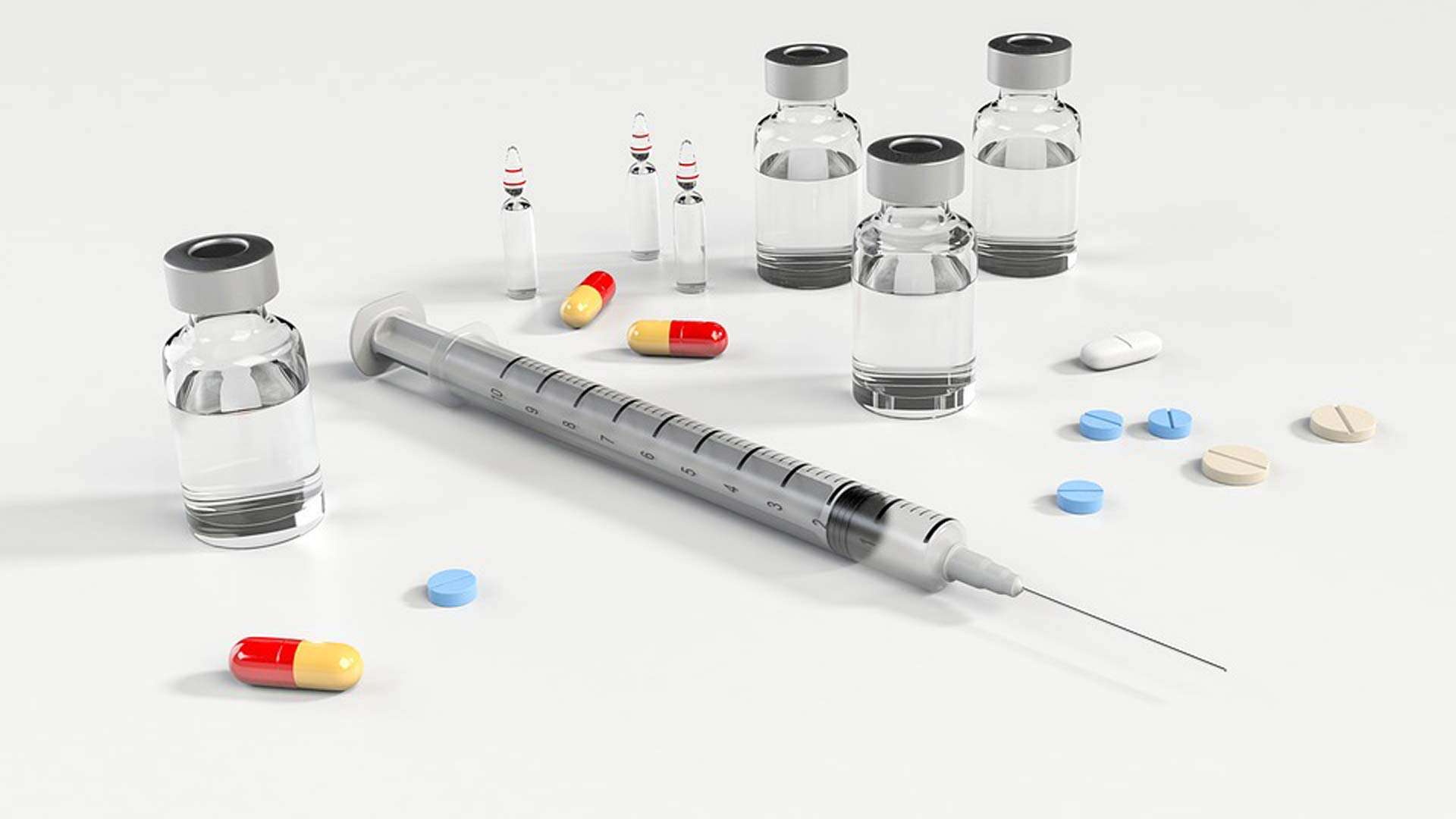
Storage conditions for pharmaceuticals and biological materials must adhere to precise regulations in order to protect and ensure their quality remains consistent. There are various temperature ranges in biostorage — each with its own specific cold storage conditions and considerations.
- Ambient temperature biostorage, or “room temperature storage,” has a range that is typically anywhere from 15°C to 30°C. This type of temperature-controlled storage is suitable for biological materials that contain a preservative (including alcohol, formalin, etc.), including specimens and tissue samples. In most cases, ambient storage is not recommended for samples that require the extraction of molecular data, though it may be possible to obtain DNA from certain types of preserved samples stored in this type of environment.
- Controlled Room Temperature (CRT) Storage refers to conditions that fall within the ambient storage temperature range but are more closely maintained and considered to be customary for many types of biological materials. Specifically, CRT storage requires temperature maintenance of 20°C to 25°C. The temperatures for CRT storage cannot exceed the 25°C mark, except for spikes of up to 40°C for less than 24 hours. These temperatures are the best fit for pharmaceutical products and biological samples that should not be subjected to lower temperatures, as freezing could actually cause degradation.
- Refrigerated Biostorage involves the cold storage of biological or pharmaceutical materials in temperatures ranging from 2°C to 8°C. Generally, this is used as a short-term storage option, particularly for enzymes, antibodies, and other biological reagents. That’s because these materials will remain viable under these refrigerated temperature conditions when used within the recommended time frames, but will have their structural integrity compromised if they are frozen and thawed.
- Freezer Storage can span temperature ranges from -20°C to -40°C. This is the recommended temperature storage option for different kinds of biological materials, including DNA and RNA (provided they have been suspended in the right type of solutions prior to being stored). This cold storage condition can be suitable for both short-term and long-term situations.
- Ultra-Low Freezer Storage, also known as Ultra-low Temperature or ULT storage, involves the storage of materials in conditions of approximately -80°C, though the acceptable range expands from -70°C to -100°C. This type of cold storage is often used for long-term situations, as this extremely low-temperature range can prevent degradation in many types of molecules, including proteins, nucleic acids, and more. While this storage option is recommended for its ability to protect these materials, it’s essential to consider the freezing and thawing process to ensure quality control.
- Cryostorage can also be referred to as cryogenic storage as well as “liquid nitrogen storage” or simply “LN2”. These temperatures involve the coldest conditions for biological materials and can range from -150°C to -196°C. The best option for long-term cold storage as it prevents biological activity from occurring to maintain the quality of these products. This storage temperature range is the best option for samples that cannot be mixed with preventative products, such as blood, tissue, and reproductive specimens, and clinical trial materials.
Knowing the specific types of biopharma cold storage options available, as well as what materials are best stored in those temperatures, is vital for ensuring best storage practices. SciSafe offers all of the above biopharmaceutical storage solutions along with custom storage alternatives. Contact us to learn how our biorepository and cold chain logistics can support your storage needs.