

Currently, the US imports most of the active pharmaceutical ingredients used in branded and generic drugs (88% according to a study from 2024). With an uncertain future regarding tariffs, organizations face the difficult decision of whether to invest capital and time into developing US-based manufacturing and R&D facilities or continue to risk the vulnerabilities associated with the generic drug supply chain, like having to pass rising tariff costs onto consumers or risk lost revenue and even drug shortages.
As a provider of specialized warehousing for temperature-sensitive biopharmaceuticals, SciSafe supports supply chain solutions for the primary challenges in order to optimize cold chain logistics. In the case of imports and tariffs, foreign-trade zone (FTZ) and US customs bonded warehousing make it possible to keep a local inventory to keep a reserve of necessary materials and prevent delays in the manufacturing process.
What is a Foreign-Trade Zone?
Certified Foreign-Trade Zones (FTZ), or Free-Trade Zones as they are called outside of the US, can defer, and in some cases even eliminate, the duty and federal excise taxes. As FTZs are technically considered out of the US customs territory, the payment of these duties and taxes is not needed until the products leave the FTZ into the US. The elimination of this cost can only be applied when the goods are exported directly from the FTZ and do not enter US territory, or whichever country the FTZ is located in.
To establish an FTZ, approval is necessary from the Foreign-Trade Zones Board and the Customs and Border Protection (CBP). Generally, any foreign or domestic merchandise not prohibited by law may be taken into an FTZ, though there are exceptions.
Beyond deferment of CBP duty and federal excise tax, FTZs offer benefits such as that the goods may remain in the zone indefinitely, the necessary security requirements give protection against theft, and those utilizing the zone can elect to pay either the applicable duty rate on the materials or the applicable duty rate on the finished good transferred from the zone.
What is a Bonded Warehouse?
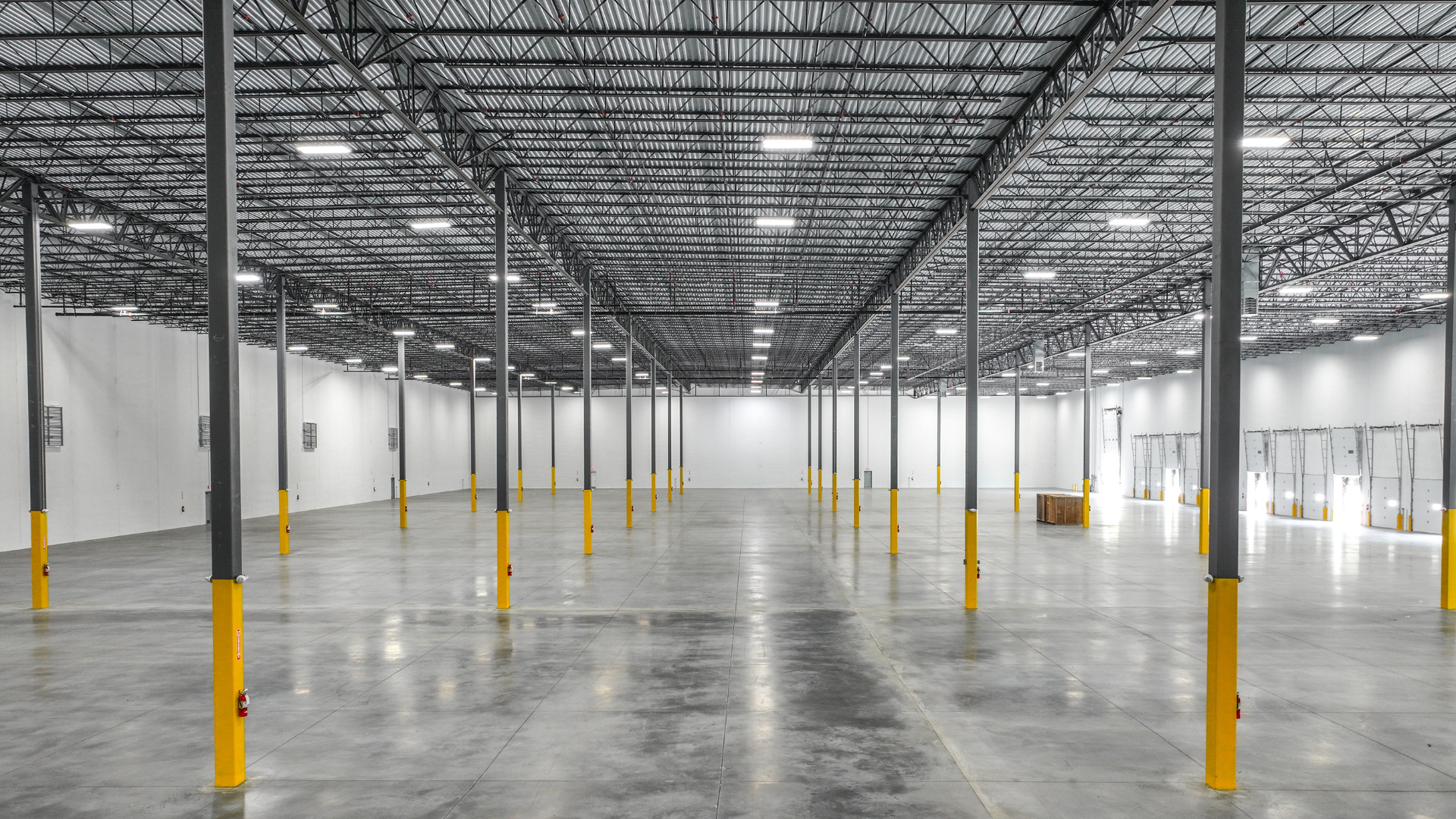
Customs bonded warehouses are secure facilities for imported or exported goods awaiting clearance to enter the domestic market or to leave the country, simplifying cross-border transactions and deferring tax and duty payments for up to 5 years until materials are released to their intended markets. The inventory is under the liability of the warehouse bond and its proprietor while stored in the bonded warehouse. With some exceptions, the bonded goods are permitted to undergo cleaning, sorting, repacking, or alterations.
Aside from the delay of duties and taxes, the advantages of bonded warehouses include stricter security and more regular inspections of facilities, streamlined logistics through localized storage closer to the next port or final distribution center, and the opportunities to package goods before entering markets, which offer unique benefits when raw materials carry higher duties.
Bonded Warehouse vs. FTZ
While a bonded warehouse and an FTZ facility have a lot in common on the surface, there are several distinctions that separate them to provide distinct contributions:
- Timing: An FTZ allows for storage of materials for an indefinite period of time, while bonded warehouses are limited to up to five years.
- Handling: An FTZ allows the manufacturing of materials upon full approval from the Foreign-Trade Zone board, while a bonded warehouse allows for only some light treatment like repackaging.
- Territory: Legally, a bonded warehouse is considered inside the US customs territory (hence the full name of customs bonded warehouse), while an FTZ is outside the US customs territory.
- Set Up: Due to regulatory requirements and higher costs, an FTZ is more complicated to set up compared to a bonded warehouse.
- Duty Payment: For bonded warehouses, the duty payment is owed on the full shipment, including any damaged goods or scrap when the goods leave the warehouse for domestic sale. FTZs require duty payment when finished goods leave the zone for the domestic market, though there are no duties owed on scrapped or destroyed parts.
Biopharmaceutical Supply Chain Benefits
With the above advantages in mind, a bonded warehouse is ideal for storage, repacking, and sorting materials that involve limited handling inside US customs territory for up to 5 years. While it is easier and less expensive to establish, duties are paid when the goods leave the warehouse for domestic sale, and the duty is owed on the full shipment, including damaged goods.
Comparatively, an FTZ is best for sourced parts to be assembled and manufactured that need to be held outside of the US for extended lengths of time until the finished goods are ready to enter the market. Plus, this transformation of raw materials into finished goods within the FTZ means a lower number of imports for a consolidated supply chain and fewer tariffed items.
Both an FTZ or customs bonded warehouse can assist in the pharmaceutical supply chain, whether organizations are continuing their current import process, those that are importing more active pharmaceutical ingredients (APIs), as well as larger pharmaceutical companies onboard more US domestic manufacturing and require bulk API storage along with finished products.
SciSafe brings complete support throughout the biopharma supply chain from discovery and development to pre-clinical and clinical activities to commercialization and distribution.
For more details on how SciSafe provides programs that solve common supply chain pain points, discover our fast logistics process through efficient and secure transport, warehousing, and wholesale distribution, or contact us today!